

2nd East Africa Data Governance Conference 2026Summary
Navigating Duality in Data Governance: Innovation and Accountability in East Africa
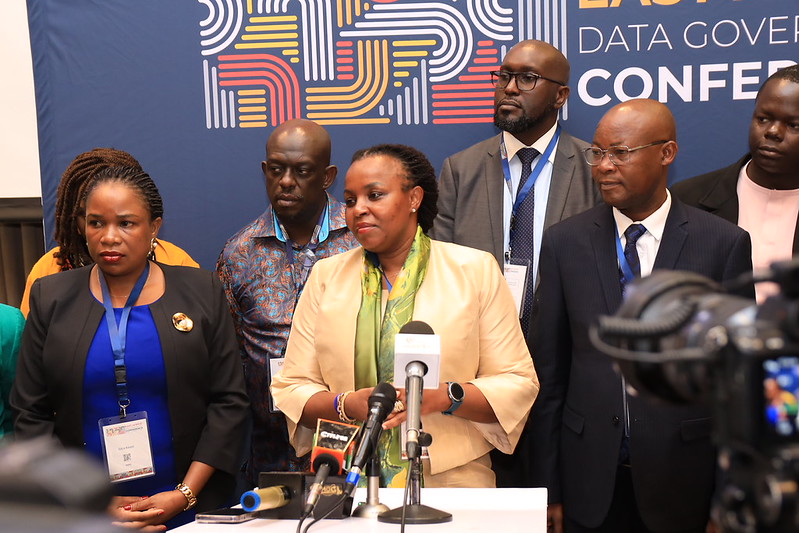
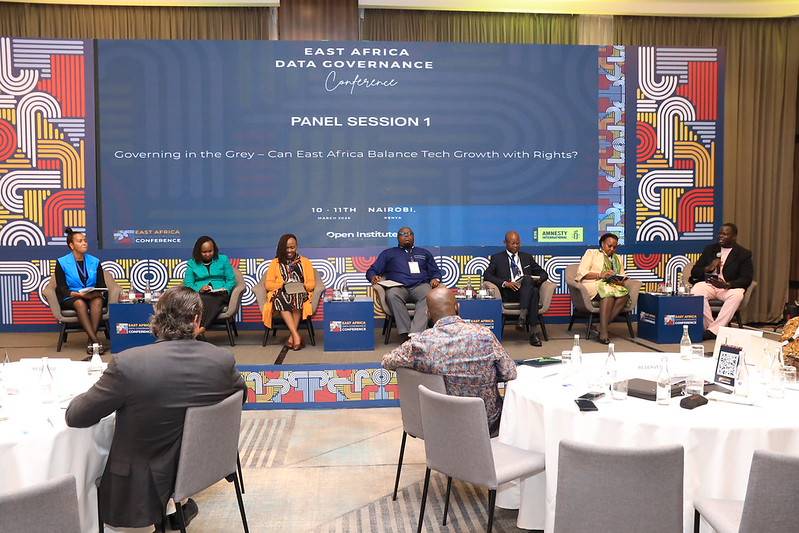
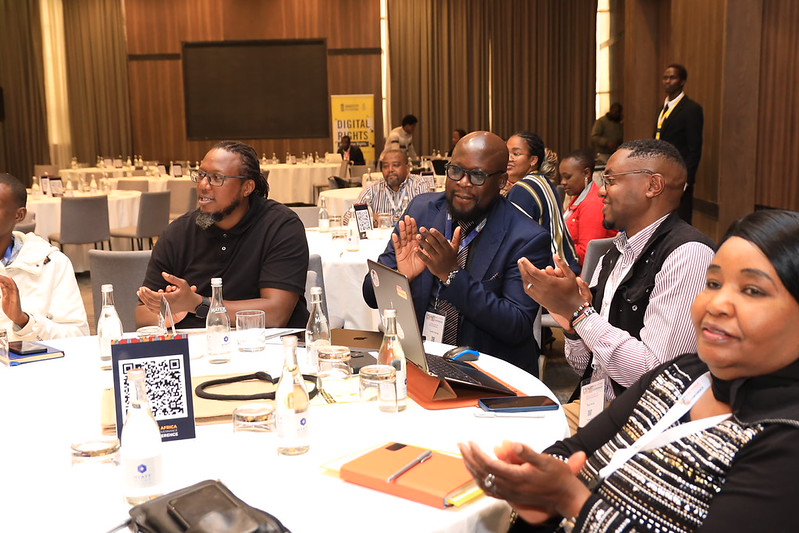
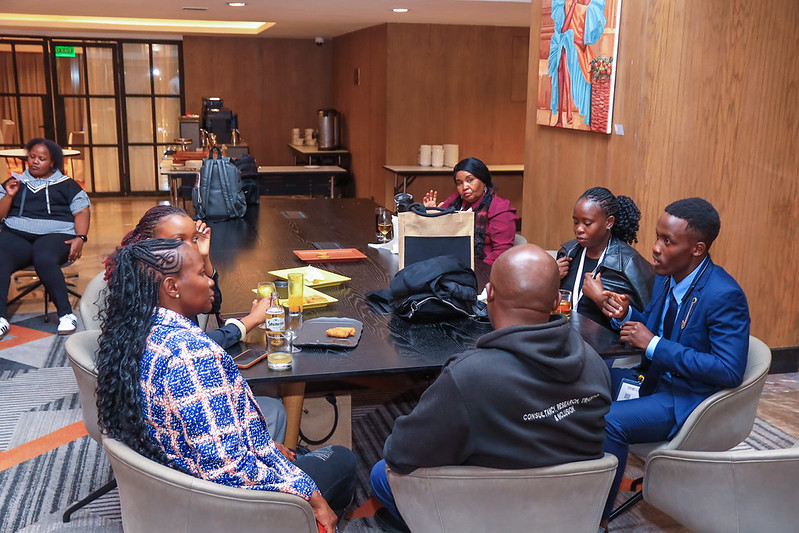
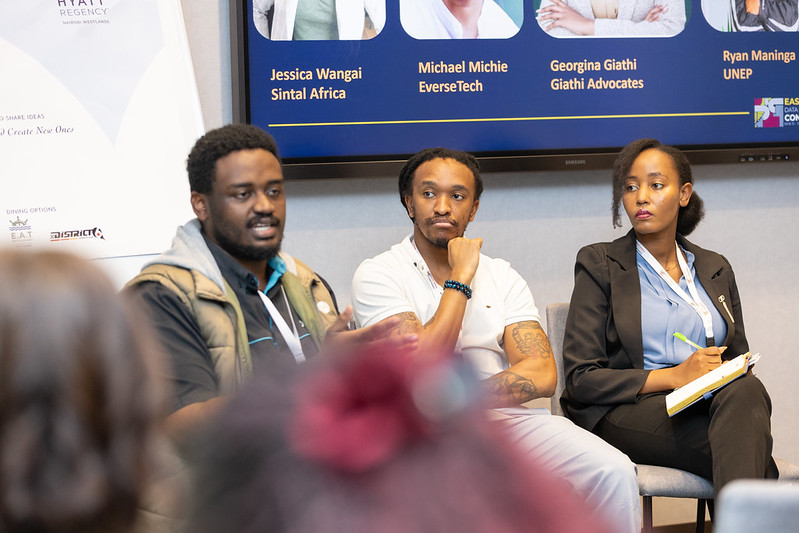
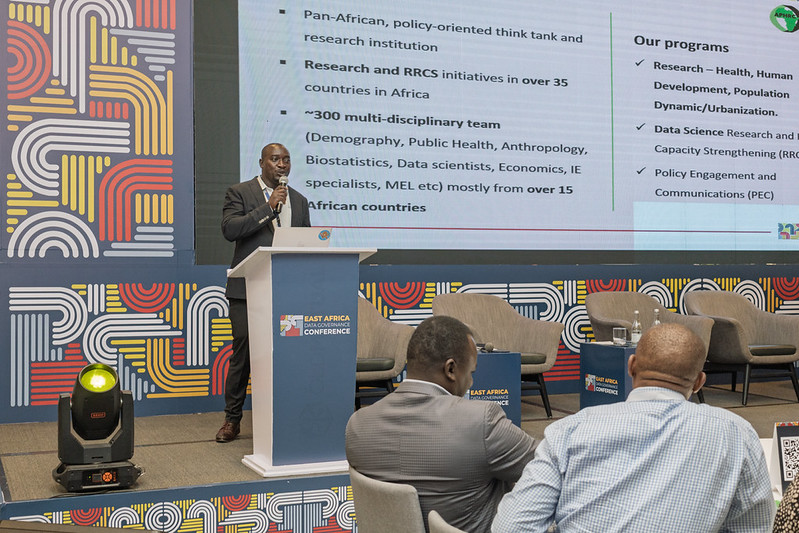
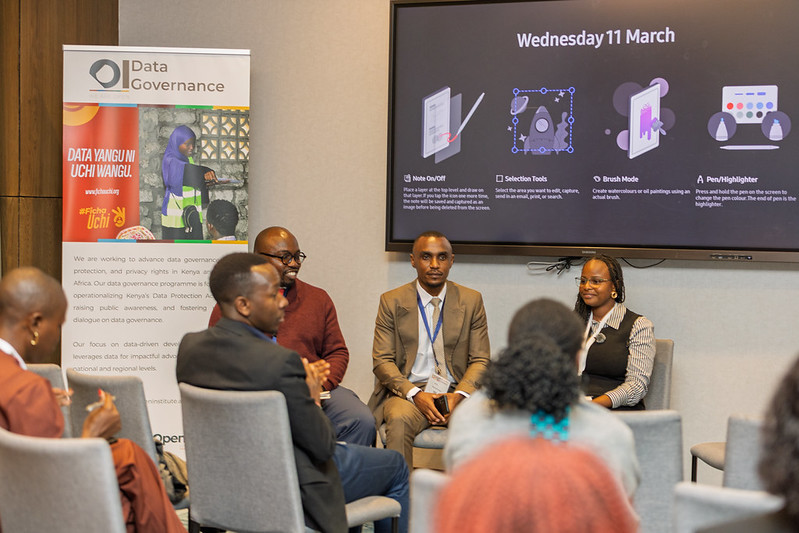
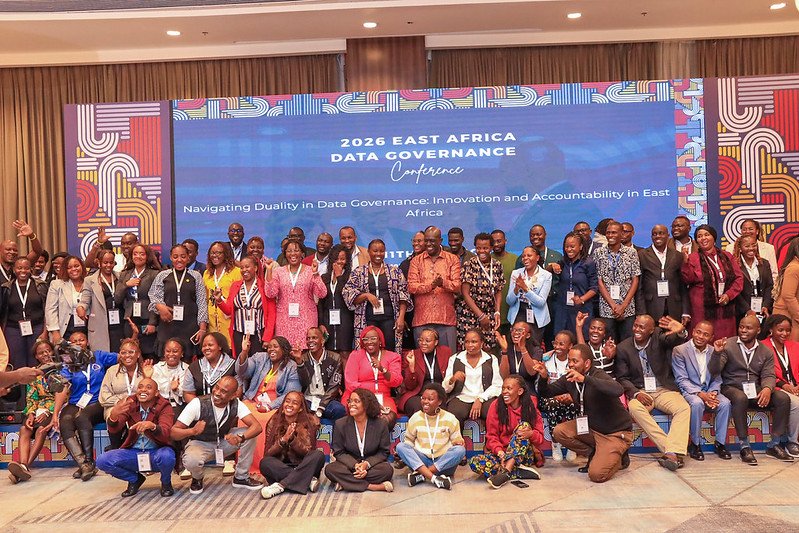
The 2nd East Africa Data Governance Conference 2026 was convened by the Open Institute in collaboration with Amnesty International. The meeting brought together over 150 participants from 5 countries, comprising policymakers, regulators, civil society organizations, private sector actors, technologists and academics, to examine the rapidly evolving landscape of data governance in the region. It created a platform for regional dialogue on how East African countries can harness the benefits of digital innovation while safeguarding human rights, accountability and public trust.
The theme, “Navigating Duality in Data Governance,” reflected a central tension in digital governance debates: the perception that innovation and accountability are competing priorities. Across discussions, participants challenged that notion, emphasising instead that effective governance is a prerequisite for sustainable innovation.
Five thematic pillars
Data ownership and custodianship
rights over citizen-generated data and the responsibilities of stewards.
Sovereignty and cross-border governance
national control alongside regional integration.
Infrastructure, interoperability and standards
secure foundational systems for data exchange.
Ethics, algorithms and accountability
fairness and transparency in automated and AI systems.
Economics and value of data
how data value is generated and distributed equitably.
KeyNote highlights
Ms. Immaculate Kassait
Data Commissioner, KenyaDigitisation is no longer optional, and strong data governance is a foundation for innovation because it builds trust.
Dr. Melissa Omino
CIPIT, Strathmore University (Day Two keynote)In "Before the Dataset: The Human Story behind Governance," she urged participants to go beyond technical compliance and prioritise the lived experiences, cultures and languages of African communities.
Dr. Emmanuel Mkilia
Director General, PDPC TanzaniaPeople must never be treated as mere products in the digital ecosystem. He also shared Tanzania’s 100-day plan to strengthen its data protection authority.
Victor Ndede
Head of Programs, Amnesty International KenyaEast Africa is at a "critical juncture" where governance must catch up with technological expansion to protect human rights.
Al Kags
Founder and Executive Director, Open InstituteMany policies exist, but implementation remains the primary failure, and public awareness is a major gap.
Davis Adieno
Board Chair, Open InstituteData governance must be grounded in the lived experiences of citizens, who should have a voice in how their data is produced and applied.
Lady Mariéme Jamme
Founder, IamtheCODEWomen, youth and marginalised groups often lack the skills to take part meaningfully in the data economy, but with access to coding and data skills they can shape their own futures.
Dr. Laibuta Mugambi
Data Privacy and Governance Society of KenyaThere is a severe shortage of professionals with tech, law and policy expertise, and institutional silos must come down.
Edna Kasozi
Personal Data Protection Office, UgandaPrivacy must be embedded in digital public infrastructure from the design stage, and no country can govern data in isolation.
2026 Nuggets
Notable quotes
“Technology has two dimensions: the drive for innovation and digital advancement, and the human beings at the center of it. While technology continues to evolve rapidly, people, with their dignity, rights, emotions, and experiences, must never be treated as mere products within the digital ecosystem.”Dr. Emmanuel Mkilia, Director General, Personal Data Protection Commission (PDPC), Tanzania
“Innovation grows where trust is built. Data protection is not a barrier to innovation, it is the foundation that allows people and institutions to trust digital systems.”Ms. Immaculate KassaitOffice of the Data Protection Commissioner, Kenya
“Across East Africa we have laws, policies, and frameworks for data governance. The real challenge now is implementation, turning these frameworks into everyday practice.”Al KagsFounder and Executive Director, Open Institute
“Skills equal freedom. If people know how to collect data, analyze it, visualize it, and share it responsibly, they gain the power to shape their own future in the digital world.”Mariéme JammeFounder, IamtheCODE
“Data governance cannot be done in silos. It requires collaboration between regulators, practitioners, technologists, academics, and citizens. Only through working together can we create systems that are both innovative and accountable.”Dr. Mugambi LaibutaData Privacy and Governance Society of Kenya
“The conversation should not only focus on risks. Data also creates opportunities for better services, financial inclusion, and innovation that responds to our local realities.”Rosemary KoechKenya Commercial Bank
Notes
Outcomes and key takeaways
Reframing the "duality"
Participants emphasised that innovation and accountability are mutually reinforcing, not in tension. Strong governance builds trust, enables responsible data sharing and innovation, and reduces the risk of misuse and harm, while weak governance undermines public confidence and can slow adoption of digital systems.
Trust is the currency of digital transformation, and that trust is built through robust governance frameworks.
From policy to implementation: the critical gap
The region has made notable progress on legal and policy frameworks, but a consistent theme was the gap between policy commitments and real-world implementation. Key challenges:
- Limited institutional and technical capacity within regulatory bodies
- Weak enforcement mechanisms and compliance monitoring
- Fragmented institutional mandates and coordination gaps
- Lack of operational guidelines for emerging technologies such as AI
Regional action plan
Regional harmonisation of frameworks
Align national data protection regimes, with mutual recognition of standards and regular meetings between regulators.
Strengthening digital sovereignty
Invest in local infrastructure, research and skills, and give local startups transparent, reliable datasets.
Specialised governance for sensitive sectors
Build data justice safeguards for witness protection and criminal justice, such as the "right to be forgotten."
Ethical oversight and accountability
Privacy-by-design, impact assessments that work as real safeguards, and inclusive participation of civil society.
Continuous engagement and scaling
Keep the conference as an action-oriented, rotational regional platform that tracks progress.
What participants asked for
Mentimeter responses showed a strong call for enhanced collaboration among governments, civil society, academia and the private sector, including working groups, platforms for continuous engagement and shared databases. Participants also asked for wider government participation across the East African Community and more public awareness and citizen participation in data governance.
Key themes from the discussions
Human-centred governance
respect for dignity, privacy and inclusion, with data custodianship rather than ownership in humanitarian contexts.
AI and algorithmic accountability
bias, "black box" systems and limited capacity to audit AI call for clear frameworks, transparency and stronger regulators.
Data, power and participation
those who collect data hold power, so communities need a real voice in how data is collected and used.
Regional and cross-border governance
divergent national laws create uncertainty, so harmonised frameworks and cooperation among authorities are needed.
Digital public infrastructure
it enables efficient services but risks surveillance and public mistrust without transparent governance and inclusive design.
Inclusion, skills and value
youth, women, persons with disabilities and rural communities risk exclusion, and the benefits of the data economy must be shared more equitably.
Key recommendations
Strengthen implementation and institutional capacity
Advance regional harmonisation and collaboration
Embed human-centred and rights-based approaches
Develop and strengthen AI governance frameworks
Promote inclusive digital transformation
Enhance data accountability and transparency
Invest in digital literacy and public awareness
Leverage data for development while ensuring equity




Read the full story
Everything from EADGC 2026, from the keynotes to the regional action plan.
See the 2025 conference →EADGC 2027: Designed for Whom?
You asked for more citizen voice. This year, it’s the theme.