



2025 Conference
- Home
- 2025 Conference
THE E.A DATA GOVERNANCE CONFERENCE 2025 - RECAP
A Region in Transition
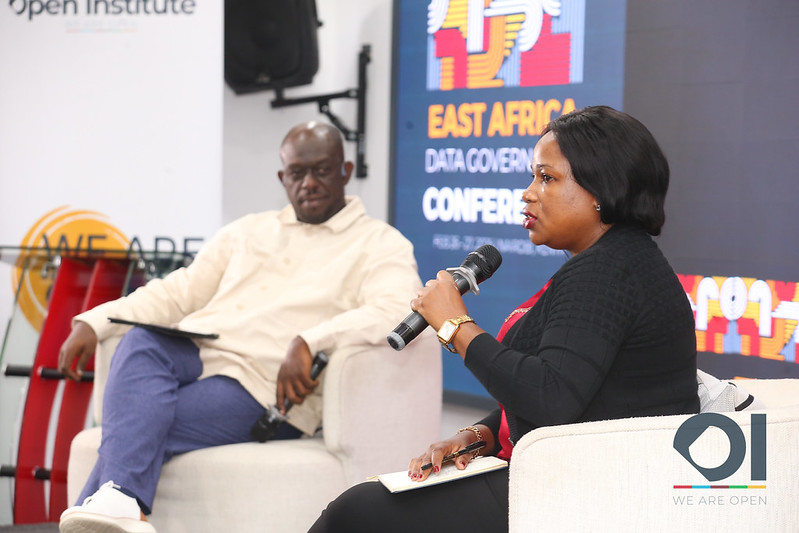
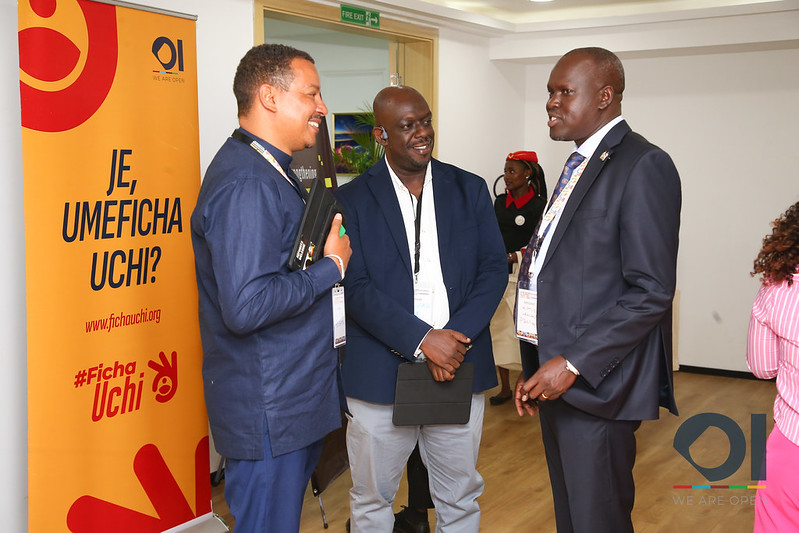
The East Africa Data Governance Conference brought together policymakers, regulators, technologists, civil society leaders, academics, journalists, and development partners from across East Africa and beyond. Organised by Amnesty International Kenya and the Open Institute, the event created a platform for over 150 participants—including representatives from Kenya, Uganda, Tanzania, Ethiopia, South Africa, Zimbabwe, and the Netherlands—to explore pressing challenges and opportunities in data governance. With participants attending both in-person and virtually, the conference emphasised people-centred, inclusive, and collaborative approaches to data governance in the region.
Keynote Highlights
The conference opened with a keynote by Ms Immaculate Kassait, Data Protection Commissioner of Kenya, who underscored that digital transformation and data governance are central to Kenya’s development agenda. Anchored in initiatives such as the Kenya Kwanza Bottom-Up Economic Transformation Agenda (BETA), the Kenya Digital Blueprint, and regional trade protocols, she emphasised the need to balance emerging technologies, including AI, IoT, and blockchain, with citizen privacy and trust. Ms Kassait called for cross-border collaboration, harmonised legal frameworks, and adaptive governance models that prioritise innovation alongside accountability.
Dr Melissa Omino of CIPIT delivered the second keynote, “Bridging Heritage and Innovation: Data Governance as a Catalyst for Africa’s AI Future”. Drawing on Gen Z-led protests against Kenya’s Finance Bill, she highlighted the importance of language accessibility in digital engagement and the severe underrepresentation of African languages in AI datasets. Dr Omino called for community-centred data governance, fair benefit sharing, and cultural intellectual property protections, stressing that Africa’s digital and AI future must reflect local languages, communities, and cultural heritage. Together, the keynotes framed the conference’s central message: data governance is about people, inclusion, and equity.




Sessions, Panels, and Workshops
The conference featured a mix of panels, roundtables, workshops, and breakout sessions across five thematic tracks:
Participants explored the intersection of policy, technology, and practice, gaining insights into governance frameworks, regional harmonisation, ethical AI, and citizen-centred approaches. Workshops provided hands-on guidance, while panels and roundtables encouraged debate and collaboration across sectors.
Conference Themes & Outcomes
A recurring theme throughout the event was the need for genuine collaboration between governments, civil society, and the private sector. Speakers highlighted the potential of regulatory sandboxes as safe spaces for innovators to test solutions without regulatory barriers. By bringing together diverse voices, the conference demonstrated that regional collaboration is essential to building effective, people-centred data governance frameworks.
Key takeaways
The East Africa Data Governance Conference highlighted the critical role of inclusive, ethical, and people-centred data governance in driving innovation, regional integration, and sustainable development. Participants gained a deeper understanding of data governance principles, emerging best practices, and ethical considerations, while strengthening networks across governments, civil society, and the private sector. Key insights included the need to balance innovation with citizen protection, harmonise policies across East Africa, integrate local languages and cultures into digital systems, and identify gaps for improved frameworks. The conference also empowered participants to advance cross-sectoral collaboration, responsible data practices, and inclusive governance, and called on African governments to support digital labour, feminist policies, and care-centred frameworks that uphold the rights and dignity of all citizens, especially women and marginalised groups.
Advancing Data Governance Together
The conference reinforced that data governance is central to innovation, sustainable development, and citizen empowerment. By contextualising governance within African realities, fostering multi-stakeholder collaboration, and prioritising inclusion, East African countries are laying the foundation for a unified regional data governance framework. With momentum building, the East Africa Data Governance Conference has positioned the region to balance innovation with ethical, people-centred governance, paving the way for sustainable economic growth and equitable digital futures.